
Emigrating to Sweden
Emigrating to Sweden
Are you planning to move to Sweden? Then choose a carefree relocation! Our formula: quality in the broadest sense, years of experience, and professionals who know how to get things done—literally and figuratively. In all kinds of moving situations. And not only during the move itself, but throughout the entire relocation period. On this page we provide all the information you need to know when moving to Sweden. Do you have questions? Feel free to contact us without obligation.
Emigration stories and experiences
In recent years, between 40,000 and 50,000 Dutch and Belgians have moved abroad. The most common reasons for emigration are peace and quiet, space, more nature, and certainly also more affordable house prices.
Sweden is therefore one of the most popular emigration destinations in Europe, and more than 10,000 Belgians and Dutch people now live there! Some of these emigrants are still active in the labor market and often settle around the major cities. The countryside is particularly popular with retirees or people who want a second home in the far north.
On the MyFootPrints website you can read an emigration story by Lucille Netters. She has been living in Sweden with her children since 2016. She cites “no pressure on the mind, no stress, but peace and space” as her main reasons for moving.
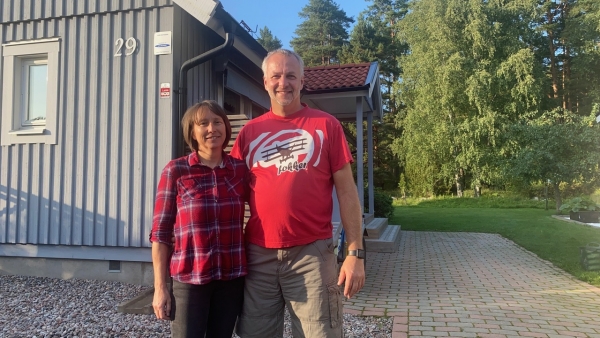
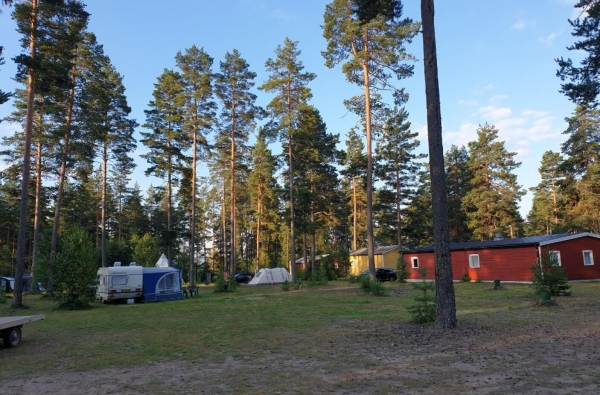
That was also the reason for Eric and Monique. We helped them move during the coronavirus period. The same goes for Harold Kelderhuis, who started a campsite in Sweden!
Another story comes from Jojanneke Kraaykamp. On the Born to Travel website she gives the following reason: “We wanted (and still want) to explore, to be outdoors, space. And plenty of it.” Kraaykamp’s emigration story clearly shows what life in Sweden is like and how well you can raise your children there.
What you need to arrange
Before you move permanently, it is wise to arrange a number of things properly and well in advance. First of all, it is important to apply for a personal identity number (personnummer). You need this number to take out health insurance and to file your annual tax return. Make sure you apply in time!
Sweden is a strict country when it comes to migration, especially in the current climate. You therefore need a right of residence, which must also be applied for. With a right of residence, you demonstrate that you can support yourself and will not rely on the social welfare system of Swedish society. You can apply for a residence permit through Migrationsverket.
Working in Sweden
Many people expect working in Sweden to be similar to working in the Netherlands. That is not entirely the case. The Dutch work culture is much more direct, aimed at achieving progress. This results-oriented approach and direct communication are in stark contrast to the Swedish way. Swedes are always looking for solutions and avoid confrontation. The pace of work in Sweden is lower than in the Netherlands, but the advantage is that employees experience far less work-related stress.
For job searching, Swedenweb has compiled a useful list of websites with vacancies in various sectors. The organization EURES also helps people find suitable employment in Sweden.
Have you found a job? Congratulations! Just like in the Netherlands, a full working week in Sweden consists of 40 hours, and wage differences between men and women are minimal. For employers, it is also much more difficult to dismiss employees than in the Netherlands!
Living in Sweden
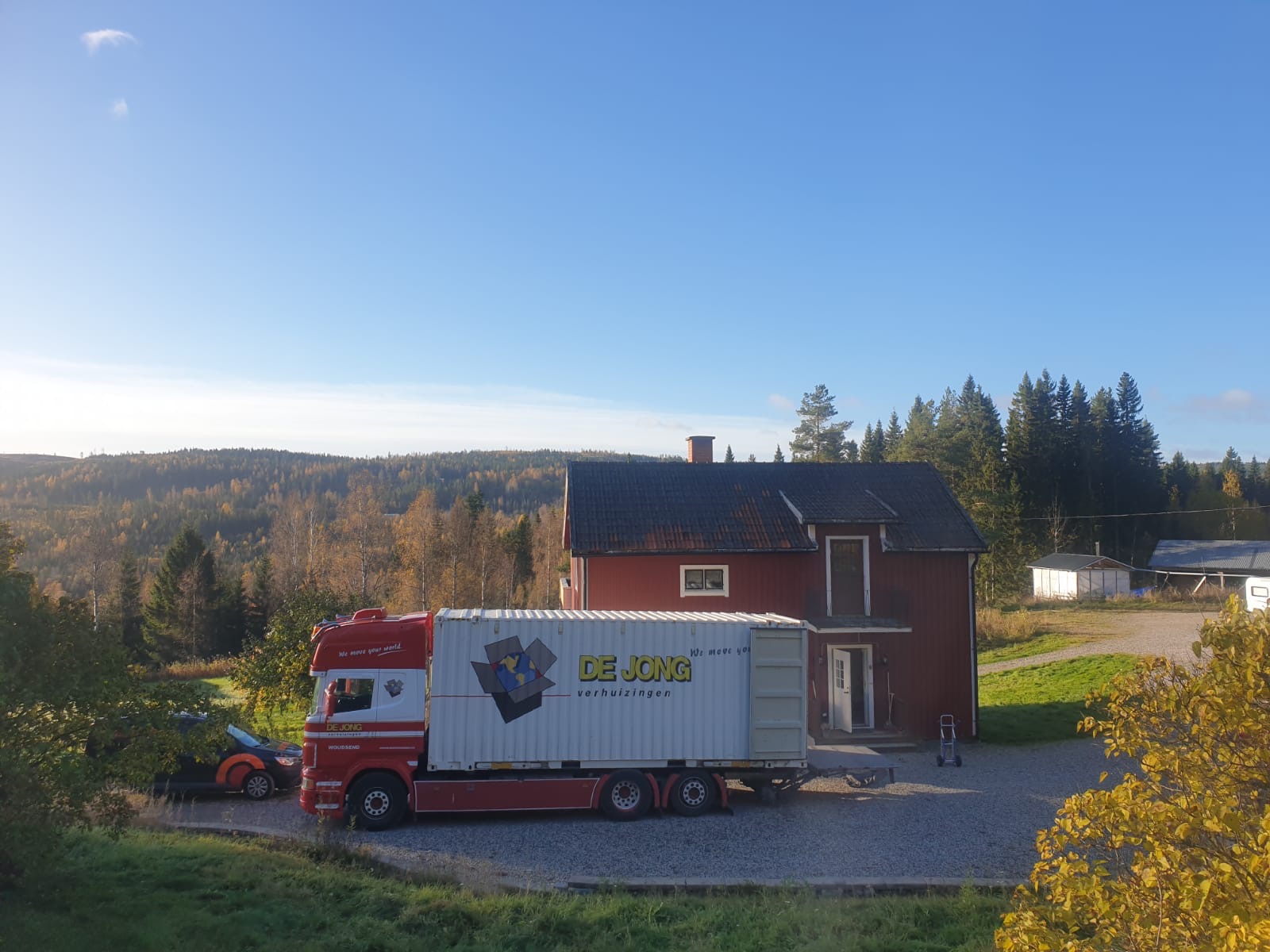
Yes, it’s happening! You’ve decided to move (with your family) to Sweden! Did you know that you can save a lot of costs on such a move by, for example, sharing a moving truck with another family who is relocating? We can help you with this and offer this advantage as well.
In addition to arranging the move, you must first have the legal right to live there at all. It is necessary to arrange a residence permit with the Swedish Immigration Service, Migrationsverket.
Because Sweden is one of the least densely populated countries in the world, there is no shortage of space. There are also plenty of houses for sale, all at lower prices than in the Netherlands. These lower prices are due to the materials used: in the Netherlands houses are built with bricks, whereas in Sweden they are mainly made of wood. Many people fall in love with these beautiful homes in nature. If you’re lucky, you can find a detached house in the countryside for as little as € 50,000.
Still looking for a home?
Are you still searching for a beautiful Swedish home? House hunters can visit popular Swedish websites such as Hemnet or Booli. Found something you like? Call immediately. If you send an email, there’s a good chance you won’t always get a response. If there are multiple interested buyers, the house will be sold to the highest bidder, provided they can make a 10% down payment.
Applying for a mortgage is possible through a Dutch bank, but it is more convenient to arrange it in Sweden. You can do this at a bank in the municipality where you intend to settle.
Prefer to rent? The rental market in Sweden is good, especially in smaller towns where there is plenty of supply. Take a look at the Kvalster website, which offers a wide range of rental properties.
Education
In terms of education, there are major differences between the Netherlands and Sweden—not only in structure, but also in teaching style. As mentioned earlier in the section “Working in Sweden,” Swedes prefer to avoid confrontation. They look for compromises and want everyone to be equal. This philosophy is also reflected in education. A positive aspect, as everyone gets equal opportunities. However, there is also a downside: children who are slightly ahead of their classmates may be held back in their development.
In Sweden, children are required to attend school from the ages of seven to sixteen. At six, they can already attend förskola, a kind of transition year before primary school. When children turn seven, they must attend grundskola, compulsory primary education in Sweden. At thirteen, they can choose their own subject package, which is still part of grundskola. After completing this at sixteen, they can move on to secondary education, known as gymnasieskola. They can choose from 17 (!) different programs, which last three years. After that, at age 19, they can decide whether to continue studying.
Education in Sweden is often seen as more relaxed. Tests are given infrequently, and placing high demands on children is rare.
Sociale zekerheid
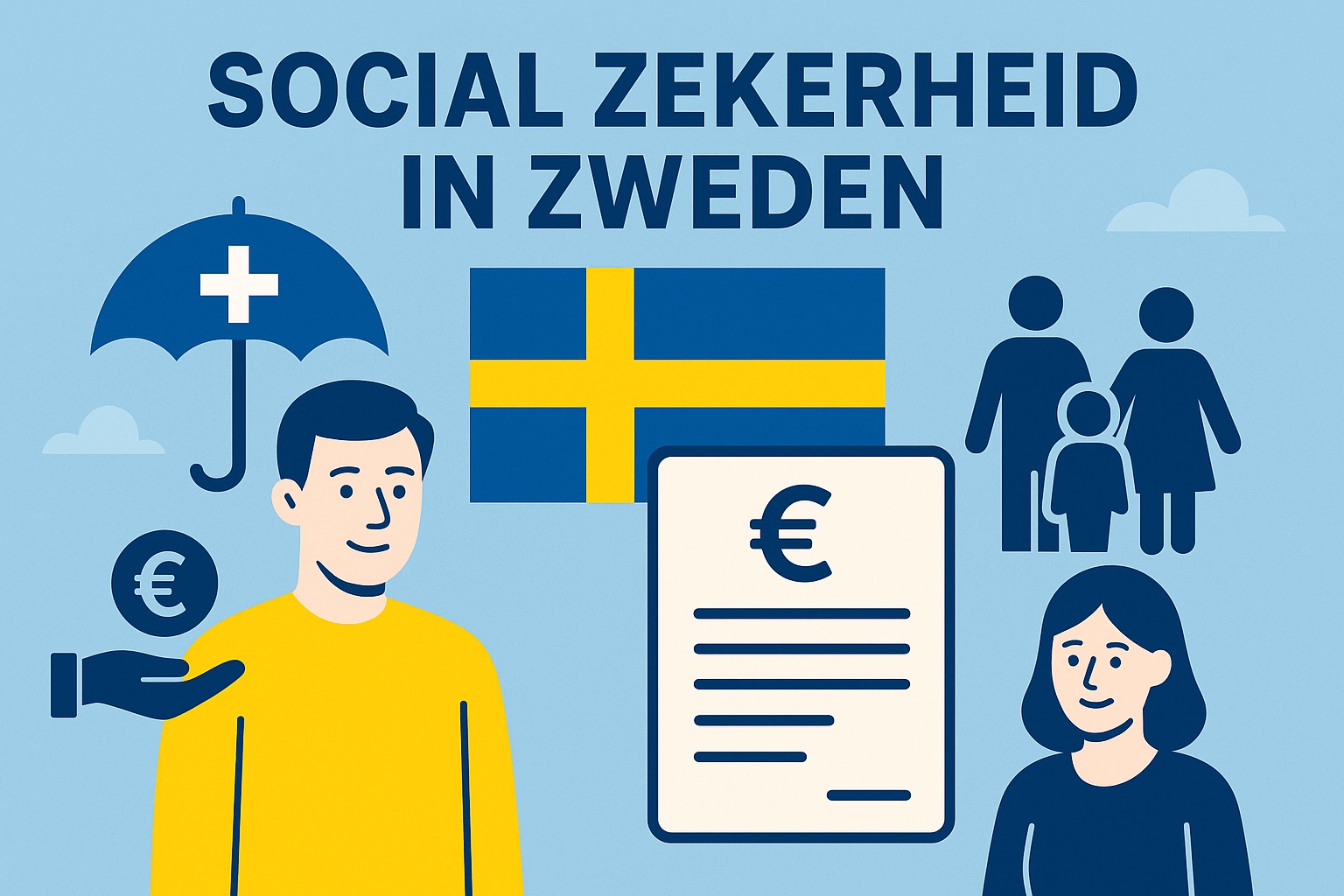
Remember when we talked about applying for a personal identity number? You need this number everywhere in Sweden, including for registering for health insurance. Every resident is insured for healthcare through Försäkringskassan. In the Netherlands, you have the right to choose your own health insurer; in Sweden, this is not the case. You also do not pay a monthly or annual premium—only a co-payment when you visit a general practitioner.
Of course, just like in the Netherlands and Belgium, you will need to insure your home, household contents, car, etc. This works much the same in Sweden and can be arranged through private insurers. Note: for all these applications, you need a personal identity number!
There is a useful document online listing all social security rights in Sweden. Did you know, for example, that Sweden is extremely generous when it comes to parental leave? Both parents together are entitled to no less than 16 months of paid leave!
Starting your own business
Naturally, it is also possible to start your own business in Sweden. There are several organizations that can help you with this. For example, it is advisable to speak with the municipality. Employees from the municipal “näringsliv” (business development) department are more than happy to help you get started.
To start your own business, you must meet certain requirements. Arbetsförmedlingen can be of great assistance by answering your questions about starting a business.
Once you have decided to become self-employed and make everything official, you should visit the Verksamt website. This site is a collaboration between Skatteverket (the Tax Agency), Bolagsverket (the Companies Registration Office), and Tillväxtverket (the Swedish Agency for Economic and Regional Growth)—all of which you need to start your own business.
Healthcare
When moving to Sweden, you must apply for a personal identity number. This automatically means that you are covered by the healthcare system. After applying for this number, all you need to do is register with Försäkringskassan.
Försäkringskassan handles all matters related to healthcare in Sweden, and registration is mandatory. It also manages benefits, child allowances, and housing subsidies.
Please note: regulations change regularly, so make sure you stay well informed. To give you an idea: you pay a maximum of 1,000 SEK per year for doctor’s visits and a maximum of 2,000 SEK per year for medication. If you exceed this deductible, healthcare is free for the rest of the year, just like in the Netherlands. There is no monthly or annual premium—only a co-payment when you visit a GP.
Dental care is free until the age of 20. After that, it falls under Försäkringskassan’s dental coverage. The level of the deductible varies by municipality.
Language
If you emigrate to Sweden, it is recommended that you learn the language as quickly as possible. The better you understand the language and the people around you, the faster you will feel at home. It also offers advantages such as finding a job and making new friends. You can learn the language in the Netherlands before your move, or you can do so for free in Sweden through the Svenska för Invandrare course.
Duolingo is also a great way to start practicing your Swedish skills at home!