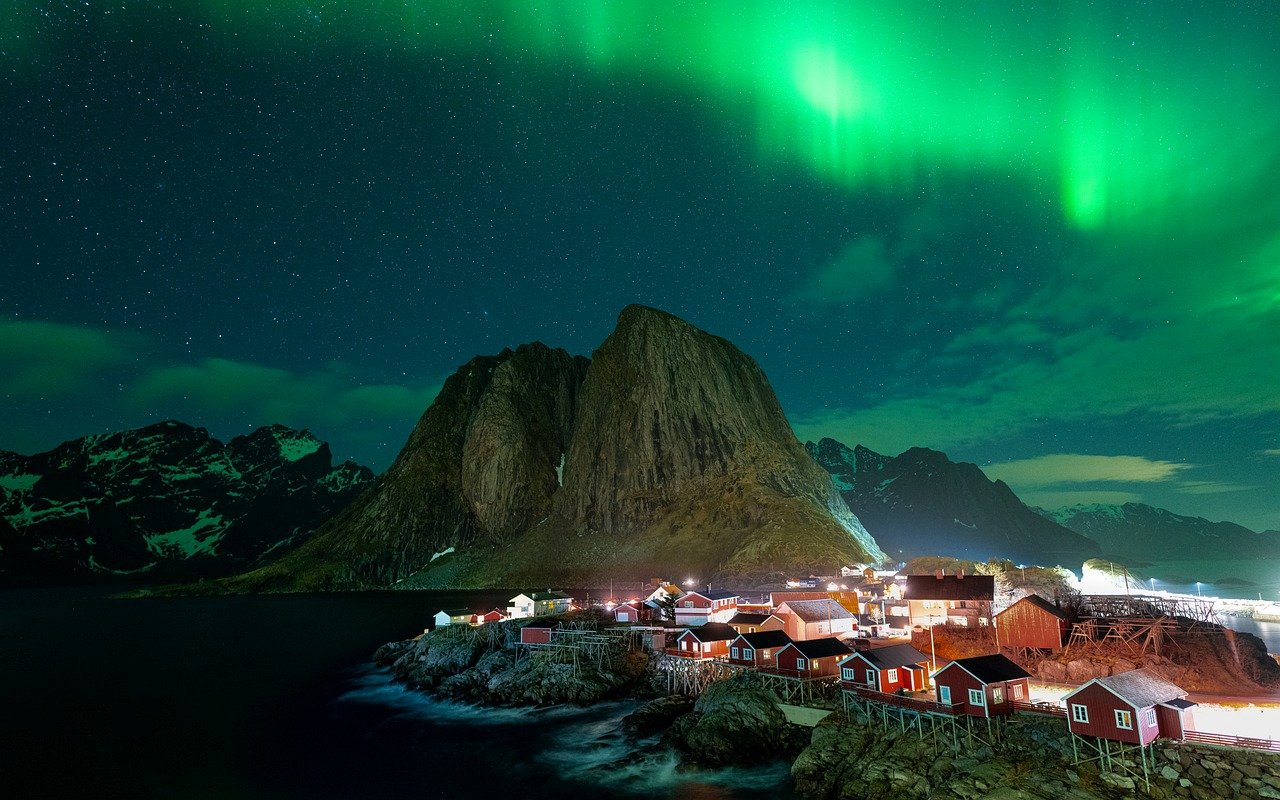
Emigrating to Norway
Emigrating to Norway
Are you planning to move to Norway? We not only make sure that all your valuable belongings arrive safely at the desired destination, but we also take care of everything involved in emigrating. This includes paperwork such as insurance, customs documents, and transport documentation. Our relocation advisor is ready to take the burden off your shoulders. On this page you will find all the information that is important to know when moving to Norway. Do you have any questions? Feel free to contact us.
Emigration stories and experiences
Norway, like Sweden, has become very popular among Belgians and Dutch people in recent years. Norway is a wonderful country to live in. The country is not part of the EU. Did you know that it is the most sparsely populated country in Europe? On average, there are 16 people per square kilometer. Peace, the stunning fjords, and nature are often mentioned as reasons for emigrating. Willem and Maike van den Corput emigrated to Norway for this reason at the end of 2023 and are thoroughly enjoying life there!
Although basic necessities are more expensive compared to the Netherlands, this is more than compensated for by the nature, the high standard of education, healthcare, and social services.
On the internet, you can find many stories from people who have emigrated to the land of the fjords. One of them is Sandra, who left the Netherlands with her husband and cats. Paul Uijting moved in 2016 together with his wife and two children for an adventure in the North. He still lives there with great pleasure. You can read his emigration story on the DareTo website.
Regulations
In Norway, the rule is that you are allowed to work for the first three months without a residence permit. This is a convenient rule, as it gives you the opportunity to get used to the idea of living in Norway and to see whether this choice truly suits you. You apply for a residence permit through the Norwegian police. It is advisable to schedule an appointment online in advance via the immigration service UDI. This residence permit is valid for five years and is issued after presenting an ID card or passport along with an employment contract. Without a job, it is not possible to obtain a residence permit.
On the Dutch website of the company Norsk, a useful checklist has been compiled that provides excellent guidance on all matters prospective emigrants may encounter when moving to Norway. The checklist was created by Belgians and Dutch people who have already emigrated and are happy to share their experiences.
Working in Norway
In recent years, the Norwegian government has been working hard to fill vacant positions with foreign workers. Dutch and Belgian workers are very popular among Norwegians. The demand mainly concerns highly educated professionals with backgrounds in healthcare or engineering. Most job opportunities are located around major cities such as Oslo, Stavanger, and Bergen.
Despite the fact that Norway is not an EU country, it is actively seeking foreign labor. The aging population in this country continues to increase. Young, talented people from the EU in particular are unlikely to encounter problems when moving to and working in Norway.
Separating work and private life is very common for Norwegians. People are almost never judged based on their professional status. Norwegians attach great importance to equal opportunities for everyone. As in many Scandinavian countries, Norwegians are generally polite and helpful. People are relaxed and value actions more than words—in other words, “less talk, more action.” This is clearly reflected in the work culture, where having things under control is key.
Norwegians are used to starting work early; 7:00 a.m. is quite normal. You will soon notice that mornings are often used for meetings, which can sometimes last quite long. Around three o’clock in the afternoon, most employees head home to spend time with their families. As mentioned earlier on our website, the social aspect and spending a lot of time with family and friends are very important to Scandinavians.
Looking for a job?
If you do not yet have a job and plan to look for one after emigrating, the following Norwegian employment agencies may be helpful:
• Finn
• Stillingsannonser
• Job Norge
• Tu
Living in Norway
Living in a country known for its stunning nature, tranquility, and low population density—doesn’t that sound like music to your ears? But how do you find the right home, and what should you take into account?
If you want to explore the Norwegian housing market, take a look at the Finn website. It lists many properties, both for sale and for rent, and is the most commonly used platform in Norway. In addition, FrognerHouses offers many apartments, for example in city centers.
Another useful website we recommend is “New to Norway.” This is an English-language Norwegian website that helps prepare you for your upcoming emigration.
Regarding the housing market, there are several things to keep in mind:
Education
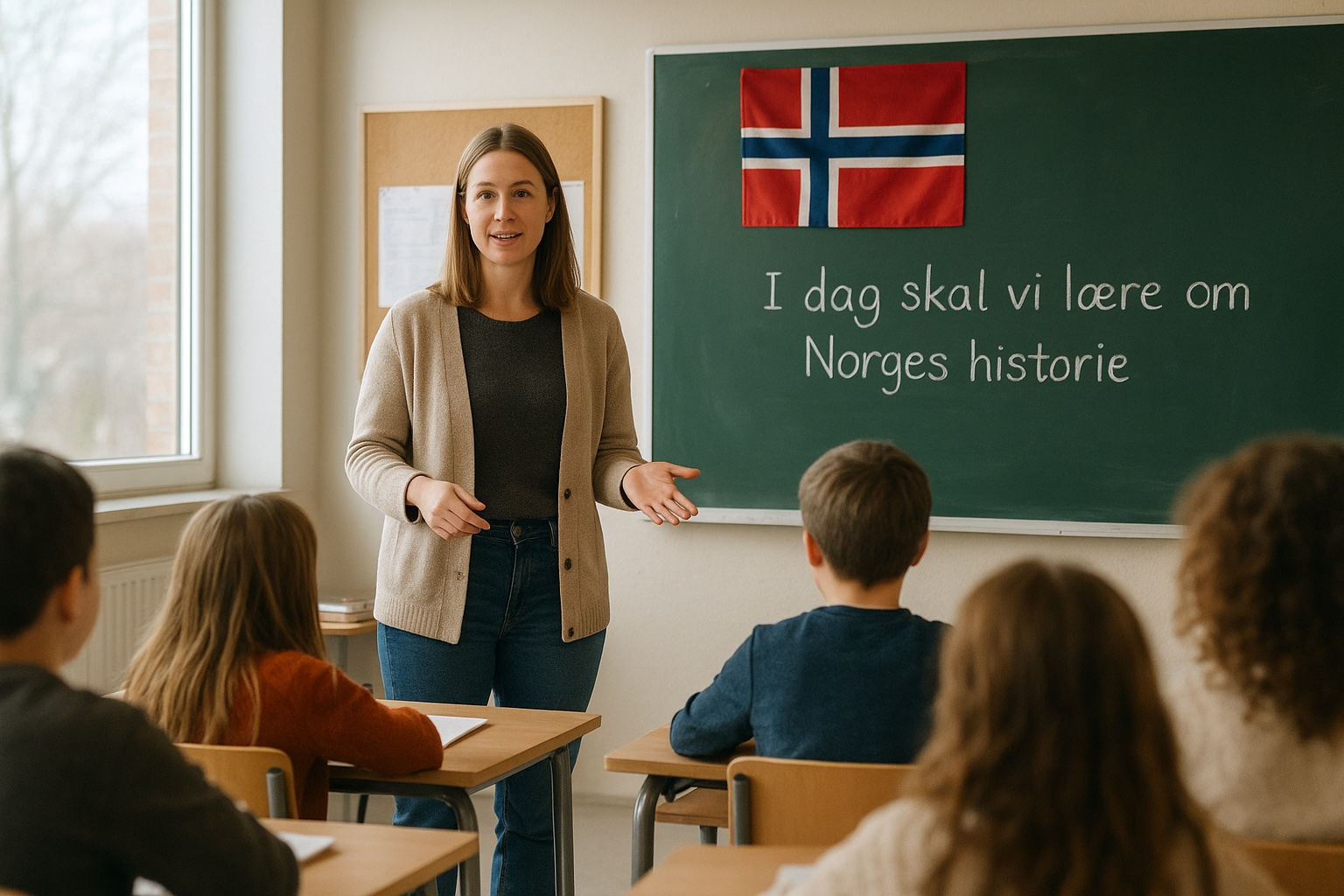
Children in Norway are required to attend school for 10 years (ages 6–16). This period is known as “grunnskole.” Compared to the Netherlands, this covers primary education and the first years of secondary education.
Primary school is attended by children aged 6 to 13 and is called “barneskole.” After barneskole, students go to “ungdomsskole,” where compulsory education lasts from age 13 to 16. The next step is “videregående skole,” where students can choose from twelve national education programs. Three of these focus on general education and prepare students for university, while the other nine are purely vocational. All programs last three years, after which students can enter higher professional education.
The Norsk website provides extensive information about the Norwegian education system.
Social security
Emigration also brings changes to your social security situation. Fortunately, this is often very well organized in Scandinavian countries—often even better than in the Netherlands. This also applies to Norway. Although taxes are higher in Norway, the costs of social security are low or minimal.
Once you hold a residence permit, you are automatically insured under the national insurance system. Social assistance does not fall under this insurance system, but it is free because it is fully funded through taxes. The insurance system itself is financed by contributions paid by employees.
On this Dutch-language website with information about Norway, you will find a complete overview of all matters related to social security in the country.
Starting your own business
Norway is a very prosperous country, but due to an aging population, it is often looking for new and talented entrepreneurs. Especially if you come from the EU, such as the Netherlands or Belgium, you are unlikely to encounter problems when living and working in Norway. This also applies to starting your own business, which is strongly encouraged.
Would you like to start your own business in Norway? Then contact the Norwegian embassy in the Netherlands before emigrating. They can help you get started.
In Norway itself, you can use the Altinn website. This website is available in English and contains everything related to Norwegian regulations and application procedures. It is also very convenient because you can view and download the required forms directly, which you will eventually need to submit to the Norwegian authorities. This way, you can start well prepared!
Healthcare
Do you need healthcare as a resident of Norway? That is no problem at all. All residents are entitled to healthcare. In fact, everyone can make an appointment immediately—there are no waiting lists in Norwegian healthcare! As in the Netherlands, you must be registered with a general practitioner of your choice, and you will often need a referral for hospital treatment.
You may be wondering: “How much will this cost me?” If you are admitted to a hospital, you do not have to pay a personal contribution. This also applies to medication. For other hospital treatments, standard personal contributions apply according to Norwegian regulations. For a GP consultation, you should expect a personal contribution of 150 NOK (about €15). For a hospital specialist, the cost is roughly double.
Dental care is free up to the age of 18. Unfortunately, coverage for adult dental care is poor to very limited and is not included in the insurance system.
Language
Norway has two written languages: Bokmål and Nynorsk. By far the most commonly used written language is Bokmål. About 15% use Nynorsk as their written language. In schools, both languages are taken into account. For example, you are not allowed to write a report in two different languages. At the beginning of each school year, you usually indicate your preference.
n the Netherlands, many Norwegian language courses are available. These generally focus on Bokmål. Would you prefer to start practicing at home? Duolingo is a useful website/app that makes it easy to get acquainted with your new language.
Lykke til!