Emigrating to Denmark
Emigrating to Denmark
De Jong Verhuizingen is an international moving company. We can arrange your entire relocation to any conceivable destination in Europe. All moves are carried out by ourselves, using our own moving trucks and our own reliable, skilled professionals. Read more here about living in and emigrating to Denmark. Do you have any questions? Feel free to contact us.
Emigration stories and experiences
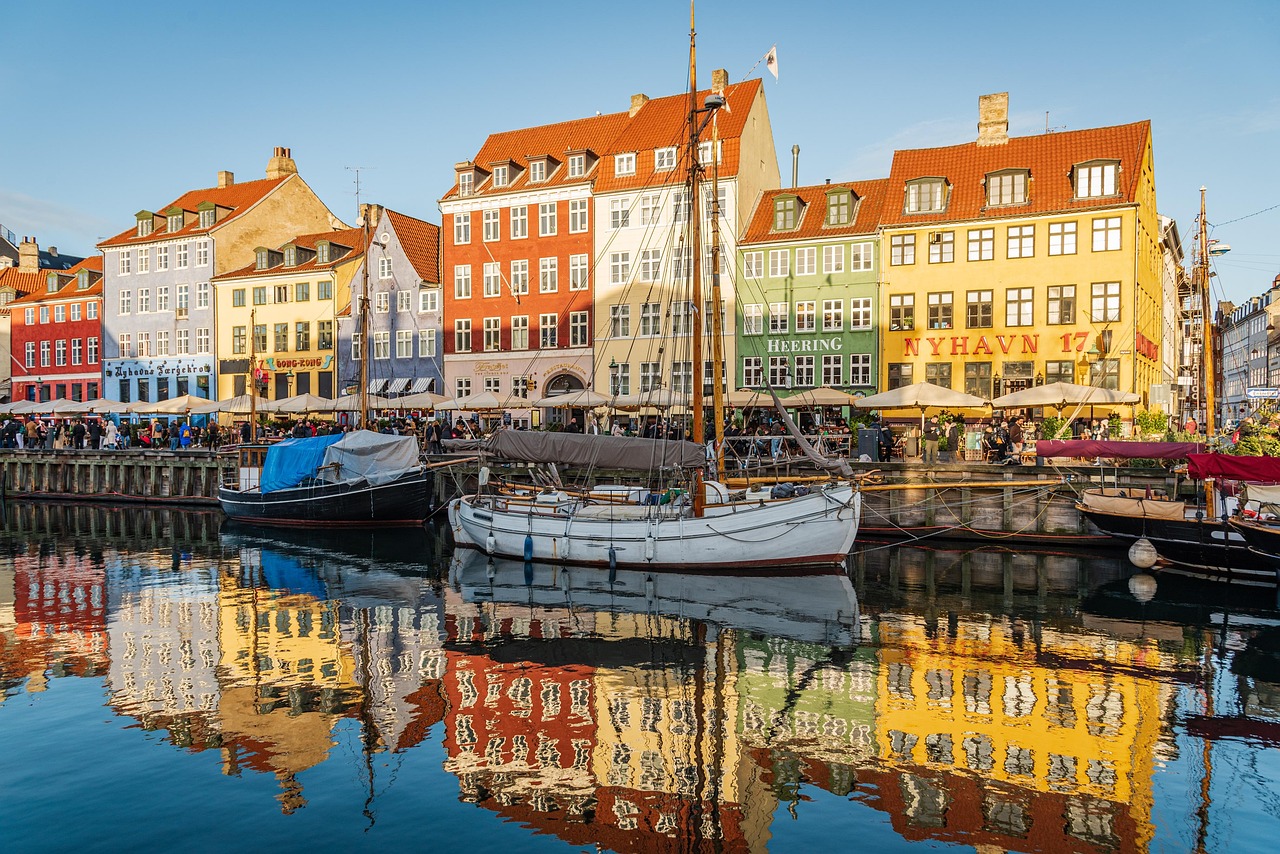
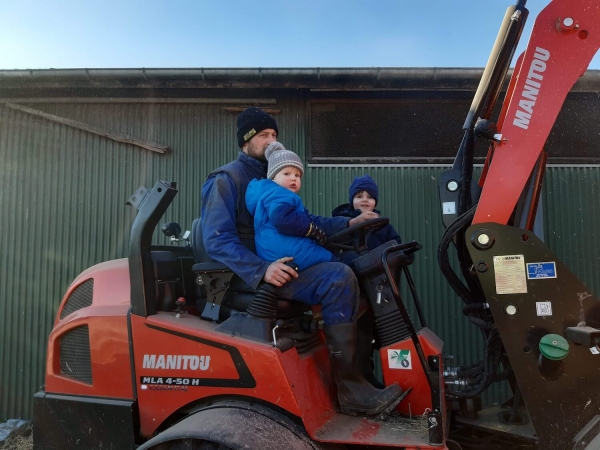
Living in beautiful Denmark? Many Dutch and Belgian people have gone before you—and for good reason! The step to move to this country is relatively small, as the mentality of the Danes and even the language share many similarities with our own. In addition, Denmark is characterized by stunning nature and, above all, an extremely clean environment. For example, Wouter Ham emigrated and became a farmer there.
Did you know that Denmark has ranked among the top three “Happiest Countries in the World” for years? The Danes have an excellent economy and are highly sustainable. Thanks to the combination of peace, space, nature, and favorable economic conditions, it is a true paradise for many people.
Another fact is that Denmark has been in the top 10 safest countries in the world for many years! This is evident from research by Vision of Humanity. A logical result of this is that no less than 78% of Danes have a great deal of trust in their fellow citizens. This social aspect is highly appreciated by many Dutch people and is one of the reasons for relocating.
Arrangements
Arrangements, arrangements, arrangements… Emigrating to another country involves much more than a domestic move. This also applies to moving to Denmark. We’ll briefly list everything for you!
- EU Registration Certificate
- Registration in the population register (“Folkeregistret”)
- CPR number
The EU registration certificate (1) must be applied for immediately upon arrival in Denmark. This can be requested at the “Statsforvaltningerne” and must then be submitted at a “Statsforvaltning” office.
Not everyone automatically qualifies for a registration certificate in this country. As mentioned earlier, everything is well organized in Denmark, and this also means they expect the same from you. Therefore, you must be able to prove that you are employed by a Danish employer, are retired, or perhaps are going to study or work as a self-employed person.
When you move, you intend to stay longer than six months, so it is important that you can demonstrate that you are financially able to support this life. To do so, you must go to “Borgerservice” with your purchase or rental agreement for your new home and your EU registration certificate. In short, you will register in the population register (“Folkeregistret”) of your new municipality (2).
Finally, the CPR number (3). Often referred to as “vital.” And rightly so! Without this yellow card, you won’t get anywhere. With this number, you can take out insurance, open a bank account, and join a sports club.
We recommend following this order, as you cannot apply for a CPR number without a valid address.
Other matters to take into account include:
Working in Denmark
Danes often do not work later than 4:00 p.m., but they usually start—“the Dutch way”—at 8:00 or 9:00 in the morning. This also relates to the social aspect, which remains extremely important in Danish society. As a result, Danes have plenty of time to spend with family and friends, which also makes them one of the happiest countries in the world!
In terms of work mentality, you are unlikely to encounter major differences compared to the Netherlands. Danes, like us, are very punctual and value structure. People are involved in decision-making, which quickly creates an informal working atmosphere. Do not be overly eager or fanatical, as this may cause colleagues to work against you. Danes view work less as a status symbol, and working is not the most important thing in a person’s life.
Denmark, like Norway, has a strong social system, and gender equality is also highly valued by the Danes.
Living in Denmark
Are you still looking for a house, do you have Dutch nationality, and are you planning to live/work in Denmark? Then buying a house is no problem at all. If this is not the case, it can be more difficult. Danes are strict when it comes to migration. For example, houses may not be purchased as second homes
As in the Netherlands, hiring a real estate agent is not mandatory but is very useful. Some additional tips:
Have you found your dream home? Always request a property report! If you do not have this before purchase, you may be held liable for any defects in the house for up to 20 years.
Prefer to rent? To rent an apartment or house, it is best to consult the following websites:
Education
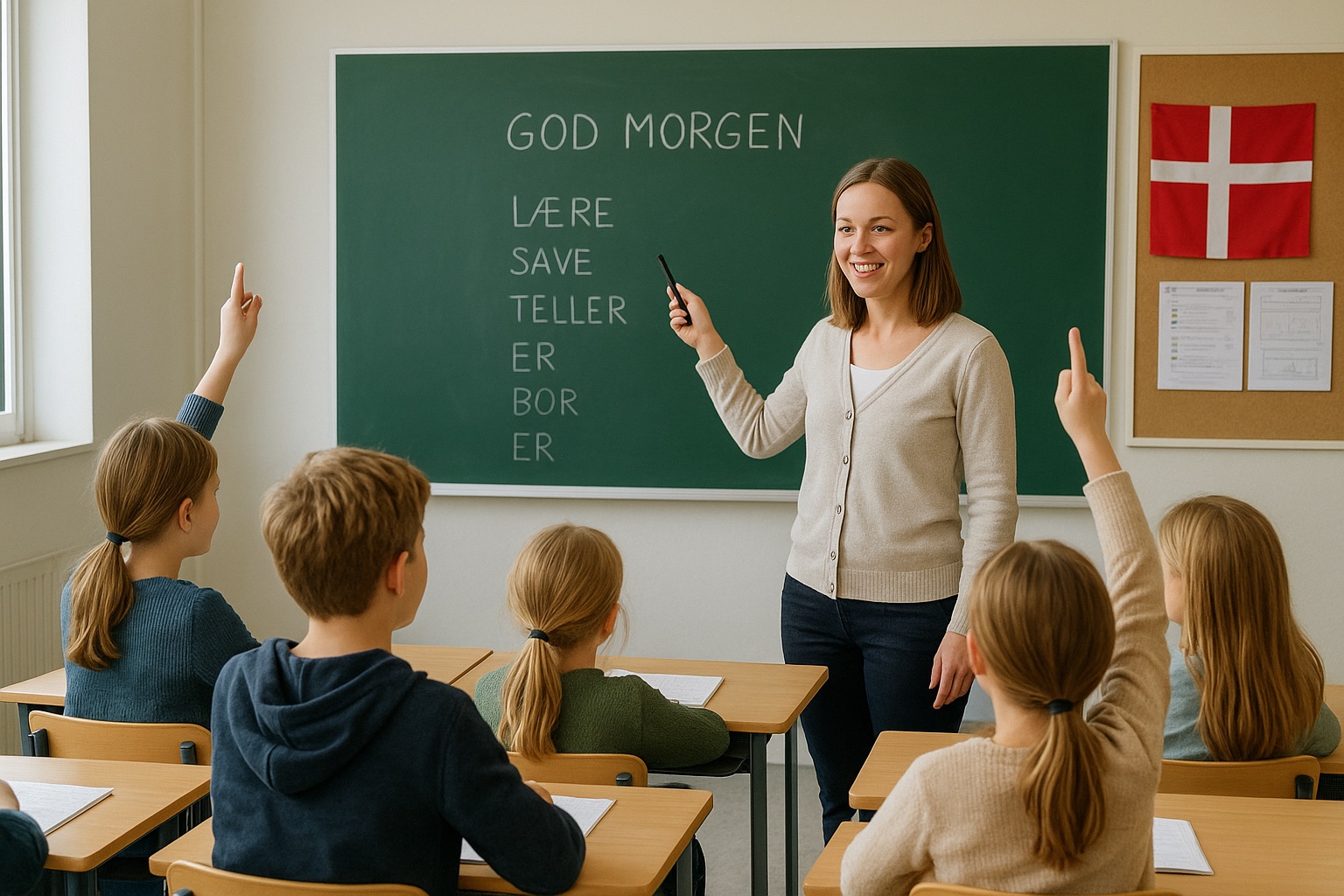
Are you moving to Denmark with your entire family? Then finding suitable education for your children is an important factor in the relocation. The Danish education system is quite different from what we are used to.
Did you know, for example, that children only start primary school at the age of six? This school is also called the “Folkeskole.” Education here is free. Children do not stay until the age of twelve but until they are sixteen. In the final (tenth) year, it is also possible to prepare your child for secondary education. Your child then spends a year at a boarding school to develop, among other things, social skills. This final year is often recommended for students with learning difficulties.
After the “Folkeskole,” your child goes on to VET or Gymnasium. VET is comparable to the Dutch MBO. Gymnasium is comparable to HAVO, atheneum, and gymnasium.
Social security
Social security in Denmark is exceptionally good! But wait—aren’t taxes very high in Denmark? Yes, compared to the Netherlands, that is true. However, there are plenty of benefits!
An official document can be found online with an overview of all social security rights. This is highly recommended to help you start your emigration well prepared. In addition, we offer the following tips:
Starting your own business
Are you considering starting your own business in Denmark but unsure how everything works? These tips may help you get started.
The following business forms are fairly comparable to those in the Netherlands:
- Aktieselskab (A/S), comparable to a public limited company.
- Anpartsselskab (ApS), comparable to a private limited company .
- Filial af udenlandsk selskab, comparable to a branch/shop/property.
On the website of the Danish Business Authority, you can find all the information you need in English.
Healthcare
Once you are in possession of the required documents and your CPR number, it is, of course, necessary to apply for health insurance and a health insurance card. Healthcare in Denmark is extremely well organized and is even considered one of the best in Europe. One difference compared to the Netherlands is that healthcare policy differs by region. Each region implements its own policy, although it is centrally managed by the ministry.
Did you know that healthcare is almost free? This is because healthcare is funded through taxes!
Just like in the Netherlands, you can choose which general practitioner you register with and which hospital and dentist you visit. Dental care is free up to the age of 18, and children receive a check-up every six months at their school.
Language
Danish is spoken by relatively few people worldwide—only around six million people speak the language. As mentioned earlier, Danish is not difficult for Dutch and Belgian people to understand. For Frisians in particular, the language is easy to comprehend. Danish most closely resembles English, German, and Frisian. However, this does not mean that learning the language is easy. Pronunciation, in particular, is often experienced as difficult, because Danish has certain sounds that do not exist in the Dutch language.
Many Dutch people say that Danish has little intonation, which makes it seem as though many words are glued together. In short: Danish is definitely a challenge! Want to prepare yourself in advance? Then sign up for free on Duolingo. It’s a very handy way to get a grip on the language.